Dangerous Dengue
- MenschSGP
- Jul 22, 2020
- 4 min read

Tropical sunshine and rainfall translates to hot and humid conditions perfect for mosquitoes to breed
There is an ongoing concern that has been occupying the headlines together with the current COVID-19 crisis, and it is none other than the
DENGUE FEVER.
Dengue fever is a disease caused by the dengue virus which is transmitted to humans via the bite of an infective mosquito.
A mosquito is infected when it takes a blood meal from a dengue-infected person. After approximately one week, the mosquito can then transmit the virus to other people they bite. Do note that Dengue fever is not contagious and does not spread directly from person to person.
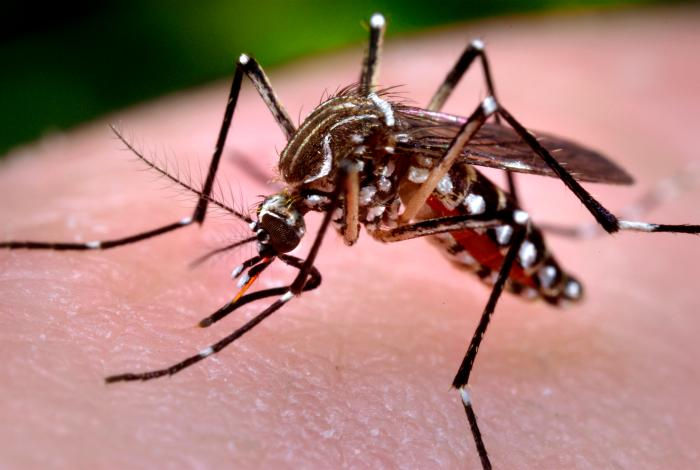
This mosquito is known as the Aedes mosquito (Aedes aegypti and Aedes albopictus) and is easily identifiable by the distinctive black and white stripes on its body.
How will I know if I have dengue fever?
You can generally look out for the symptoms such as
Sudden onset of fever for 2 to 7 days
Severe headache with retro-orbital (behind the eye) pain
Joint and muscle pain
Skin rashes
Nausea and vomiting
Bleeding from the nose or gums or easy bruising of the skin
Dengue hemorrhagic fever/dengue shock syndrome is a sever form of dengue fever that could result in death
and these symptoms typically develops between 4 to 7 days after being bitten by an infected mosquito.
Stay calm, do not freak out
Drive lots of water and seek medical attention immediately at an Emergency Department, General Practitioner or polyclinic. There should be blood test(s) required, hence water helps. Upon the result of blood test, only can the diagnosis be confirmed.
In the meantime, you might be advised to stay at home and rest.
Treatment...
Unfortunately, there is no medication to cure dengue fever or dengue haemorrhagic fever and treatment is supportive*.
(*medical therapy of any given illness to treat its symptoms and not the underlying cause.)
This means that not all dengue patients need to be hospitalised. Only with cases of high fever causing unbearable discomfort or pain, immediate hospitalisation and aggressive emergency treatment with fluid and electrolyte replacement or blood transfusions are required.
A dengue patient may be kept under a few hours of observation for the symptoms to subside or improve. If they do not improve or do not remain stable during the observation, they may be admitted for closer monitoring and treatment.
Otherwise, they will be given fever and other necessary medication to rest at home, and a follow-up in 1-2 days’ time for review. They will also be advised to return if their symptoms worsen.
"So if I am not hospitalised, what will the medical bill look like?"
Typically, a blood test is used to determine whether a patient is infected with dengue fever.
Before Government subsidy, a dengue blood test could cost about $70-$80 at a GP clinic, and about $50-$60 at a polyclinic.
The cost may vary for a range of reasons, including the type of test used, operating costs of the clinic, and the fees of the laboratory used. Several reviews & blood tests may be conducted to ensure you are cleared of dengue fever.
Can dengue fever result in death?
If the dengue patient has existing health conditions, there is a chance that Dengue can complicated any underlying conditions of the patient. For example, health issues such as diabetes mellitus and hypertension and may have contributed to an inability to recover.
What can I do to protect myself and my family?
Very simply, we have to tackle the problem at its root and that is the mosquito breeding ground. Remember, it prefers to breed in clean, stagnant water easily found in our homes. You can get rid of the Aedes mosquito by frequently checking and removing stagnant water on your premises.
1) Do the 5-step Mozzie Wipeout at your premises (home, office, etc).

2) Buy insurance for yourself and your family that protects against infectious diseases like Dengue

There are options available in the insurance market that offers financial protection against medical bills incurred due to infectious diseases like Dengue.
The medical bills can add up to quite an amount as blood tests need to be done to verify that the patient is cleared of Dengue. (Recap: Before Government subsidy, a dengue blood test could cost about $70-$80 at a GP clinic, and about $50-$60 at a polyclinic.)
Not all dengue patients are admitted into hospitals.
i) A personal accident (PA) insurance coverage provides financial protection against infectious diseases such as Dengue.
From as low as $0.50/day, a PA coverage indemnifies you on the amount of medical fees incurred.
ii) There is also alternative(s) that provides a lump sum benefit upon diagnosis of dengue fever, malaria, yellow fever, chikungunya fever and zika fever. From $39/year.
Click here to find out more. Such insurance plans relieve you of the burden of out-of-pocket expenses, allowing you and your loved ones to focus on recuperating.
3) Use an insect repellent
I personally like this as it is naturally sourced and uses Citriodiol that is clinically proven to provide up to 8 hours of effective protection against mosquitoes.
Purchase & use mosi-guard insect repellent from PHarMed (U.P. $16.80)
(Please be informed that this is not a sponsored-post!)

4) Consult doctor's advice to take a vaccine
A dengue vaccine has been approved by the HSA for individuals aged 12-45 years. Individuals should consult their doctor first if they wish to find out more about their suitability for the dengue vaccine. A local search online showed the cost for a course of vaccine is ~$550.
Join in the fight against dengue and take precautions!
Dengue fever has inflicted its damages significantly in the recent times; there have been lives lost and number of dengue cases is still rising.
We hope you have gained insights on how to protect yourself from the Dangerous Dengue and strongly urge you to do the above!
(Information source: HealthHub)
Like what you read?
Do follow us and like us on Facebook, Instagram and Twitter!
Comments